Lawyers are the New Coders
This is a bit of a hot take but hear me out.
I’m a bit of a nerd myself, and my career has been split between being in-house counsel, outside counsel and tech executive. During that time I’ve picked up a few programming languages and have actually built some pretty cool stuff.
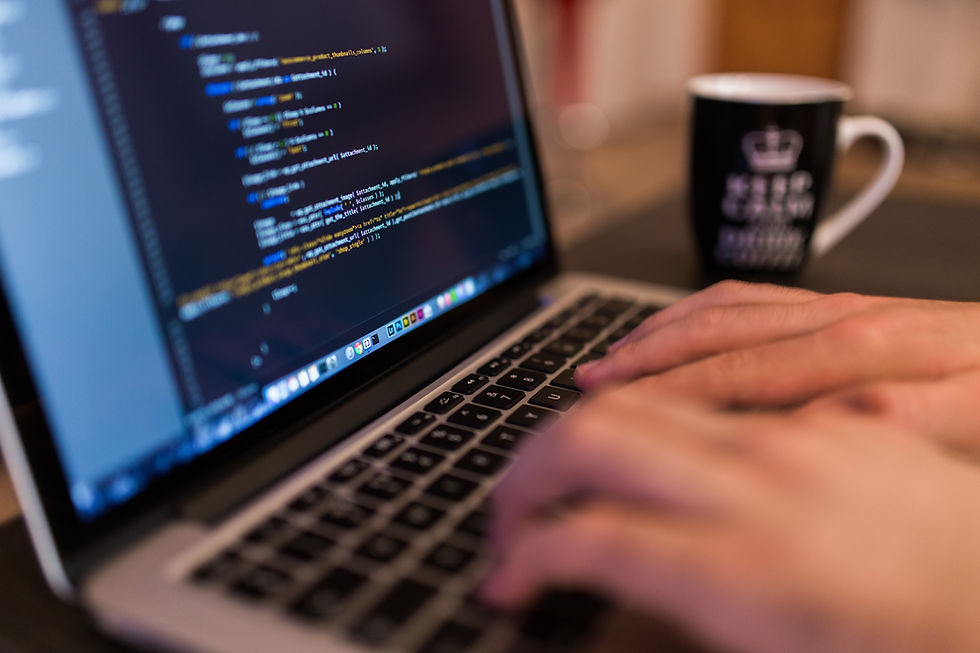
I’ve always felt there is a huge overlap between writing software and lawyering, especially writing contracts. Writing a contract is surprisingly similar to writing a computer program. You declare your variables in the definition section, you import external libraries by incorporating other documents by reference – each section of a contract is pretty much like writing a function in python or a class in Java.
Indeed, I’ve often felt that writing a contract is just like writing a program, except you are writing instructions for a court to interpret, rather than a computer.
Now my programmer friends will say, “now just wait a minute here, writing a program is very technically demanding, every possible system state has to be rigorously defined and accounted for, whereas contract are more like writing literature” which of course is why English majors flock to the law rather than STEM. But I got bad news.
It’s easy to think that when you write a program you are telling the processor what to do. But really, when you author source code, what you are really doing is coming up with instructions that get fed into another program called a compiler, which is what takes the code you authored and converts it into binary code that the processor can handle. So you aren’t even directly telling the computer what to do, you are telling another program what it should tell the computer to do.
Now enter AI – specifically some of the new tools like Claude Code that allow a lay person to basically describe a program in natural language, and the AI tool will create the source code to make it happen. We are basically just adding one more layer on top of the compiler. This is helpful because a programmer doesn’t have to stress out as much worrying about the syntax and the language; you can just concentrate on what you want it to do. But a whole bunch of new problems surface – instead of rigorously defining what you want the program to do, you can do it in natural language, which can be imprecise and introduce indeterminacy. And programmers, being STEM people, really don’t like indeterminacy.
But there’s a whole industry full of people who for their whole careers have been writing ‘code’ that may not get compiled or executed for years, on an unknown platform and with messy data inputs. Meaning when you write a contract, you have to think about what jurisdiction will likely handle any dispute, what law will apply and what facts are likely to arise. Those people have trained their whole lives to develop the critical thinking skills to be able to take messy inputs and define algorithms in natural language that can create predictable outputs despite all of the indeterminacy.
THESE ARE LAWYERS! The only reason they haven’t been programming computers this whole time is because programming languages are scary to English majors! But now there’s one more layer between the programmer and the compiler – and that opens up a whole new world for someone whose willing to re-tread at this stage in their career.
In other words, if you can’t beat them, join them. If AI is eating your billable hours, use AI to build something cool to eat someone else’s billable hours! And don’t even get me started on how cool it would be to use git for complicated deal drafting – but that’s a topic for another day.


Comments